
Strongyloides: Symptoms, Exposure & Natural Prevention Tips

Updated: Feb 12

🦠 Strongyloides: The Parasite Almost No One Talks About — But Should 🦠
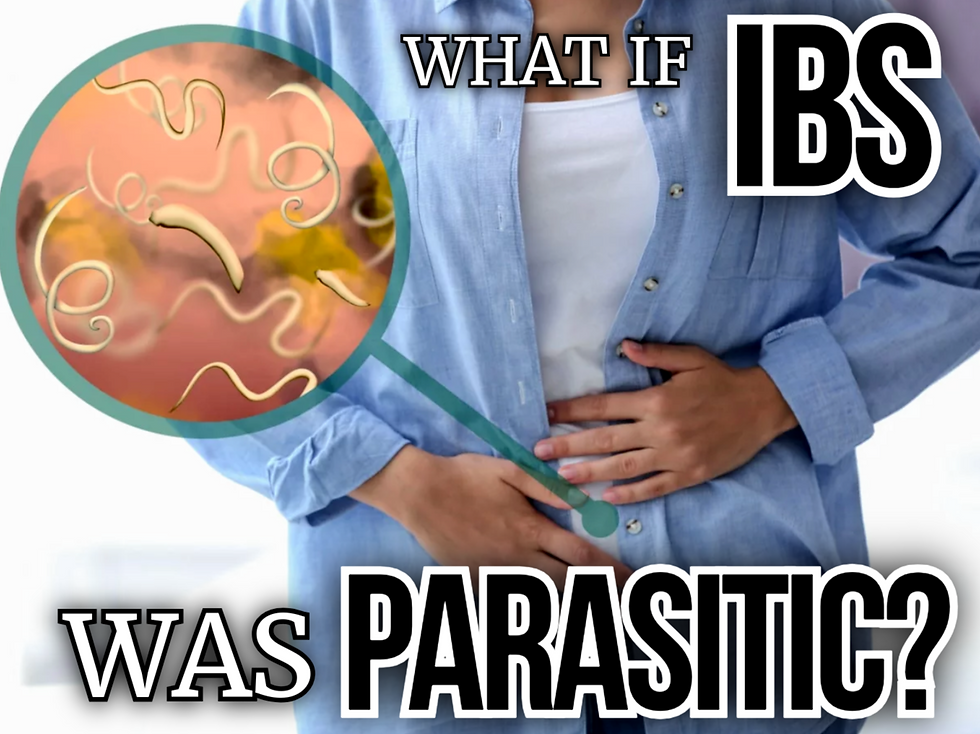
Strongyloides stercoralis is one of the most overlooked intestinal parasites in humans—yet it’s widespread, persistent, and capable of causing long-term symptoms when missed. Unlike most parasites, Strongyloides has a unique lifecycle that allows it to reinfect the same host repeatedly, which is why understanding it matters.
Below is a clear, educational overview to help you understand exposure, symptoms, and supportive steps you can take.
🔍 What Is Strongyloides?
What makes it different:
Strongyloides stercoralis is a roundworm capable of living in both the intestines and the skin, with the ability to re-enter the body and continue its lifecycle without leaving the host.
Where it’s found:
• Warm, moist soil
• Tropical and subtropical regions
• Areas with inadequate sanitation
• Rural environments, farms, and areas where soil contact is frequent
🚨 Symptoms to Watch For
Many people experience symptoms that come and go, or shift between systems:
Digestive
• Abdominal pain • Nausea • Diarrhea or loose stools
Skin
• Itchy rash or raised tracks • “Welt-like” marks where larvae enter through the skin
Respiratory
• Cough or wheezing • Symptoms resembling mild asthma or irritation
Because of its self-reinfecting nature, symptoms can appear in cycles, making it easy to overlook.
🦠 How Strongyloides Spreads
Main route of exposure:
Direct contact with contaminated soil.
Larvae penetrate the skin—often through bare feet—and enter the bloodstream, eventually reaching the lungs, throat, and intestines.
Higher-risk situations:
• Walking barefoot outdoors
• Gardening without gloves
• Areas with poor sanitation
• Flooded or moist soil environments
🛡️ Prevention Tips
Simple habits make a big difference:
• Wear shoes outdoors
• Wash hands well after soil contact
• Keep fingernails clean
• Use proper sanitation methods
• Avoid contact with stagnant or contaminated soil
🌿 Restore: Botanical Support for a Balanced Gut Terrain 🌿
Restore contains a blend of natural compounds traditionally used to help maintain a balanced digestive environment. While not a treatment for infection, many people incorporate it as part of a broader wellness strategy to support gut resilience, microbiome balance, and overall digestive comfort.
Restore may be especially useful when supporting the body through: • Environmental exposures • Digestive imbalance • Wellness protocols focused on detoxification


Comments