
Arsenic in Rice: Why It Happens and What You Should Know

Arsenic Occurs Naturally
When most people hear the word arsenic, they immediately think of industrial pollution.
But that's only part of the story.
Arsenic is a naturally occurring element found in the earth's crust. As a result, it can be present in soil, groundwater, and certain foods.
One of the best-known examples is rice.
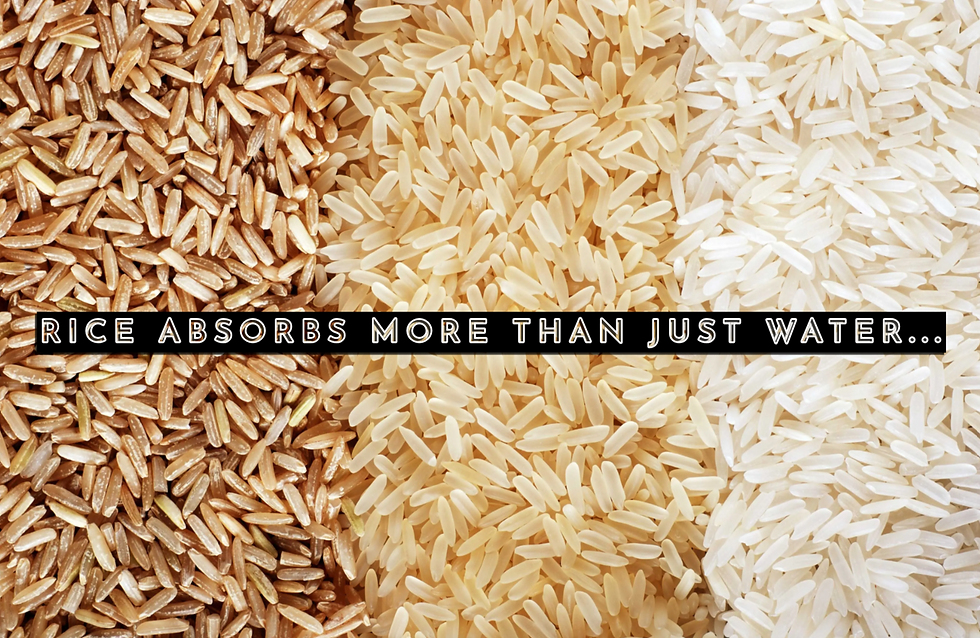
Because rice is typically grown in flooded fields, it tends to absorb more inorganic arsenic from the soil and water than many other grains.
Does this mean you should stop eating rice?
Not necessarily.
It's about understanding where our everyday environmental exposures can come from so we can make informed decisions.
One practice I personally use is adding a few drops of CS to my rice cooking water. It's something I choose to incorporate into my routine as part of my overall approach to reducing potential environmental exposures.
Root cause health isn't about perfection.
It's about becoming more informed, asking better questions, and making intentional choices that support your long-term health.
The more we understand where environmental contaminants may come from, the better equipped we are to navigate today's world with awareness rather than fear.



Comments