
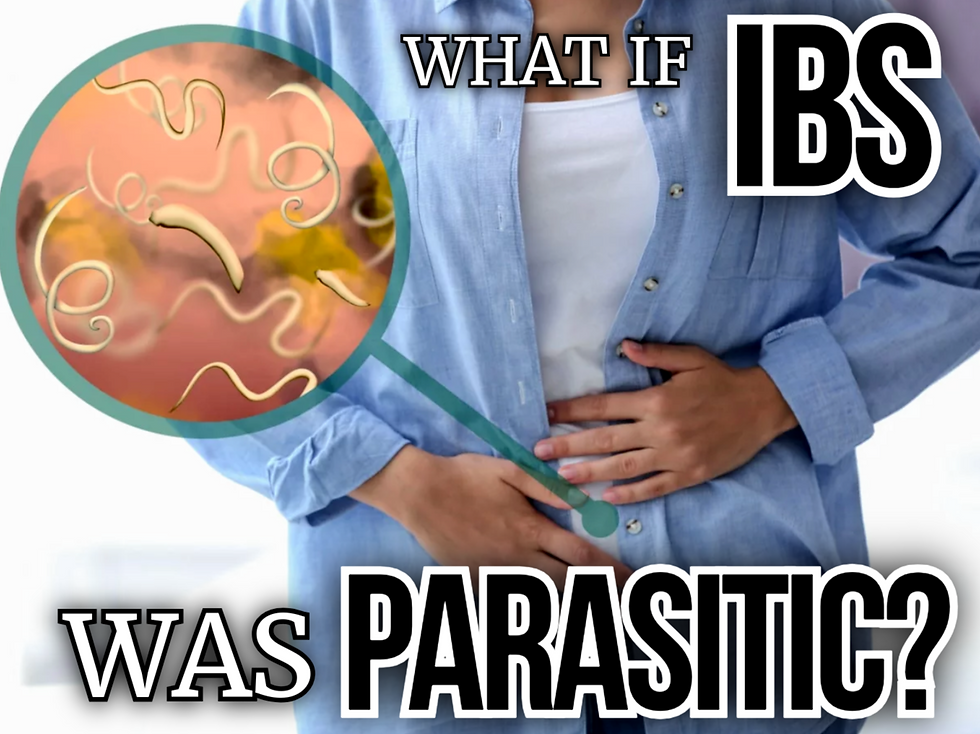
Understanding the Origins of IBS: Could Gut Infections & Parasites Be a Missing Link?


What Is IBS and Why Is It So Common?
Irritable bowel syndrome (IBS) is one of the most prevalent functional gastrointestinal disorders worldwide. While it does not cause structural damage to the intestines, its symptoms can significantly impact daily life.
Common symptoms include:
Bloating
Abdominal pain
Constipation
Diarrhea
Alternating bowel habits
IBS is considered a multifactorial condition, meaning it rarely has just one cause. Instead, it often develops from a combination of triggers that disrupt gut balance and immune signaling.
Common Triggers Behind IBS
Although each individual’s case is unique, research has identified several recurring contributing factors:
Medication usage (including antibiotics)
Chronic stress
Food sensitivities
Imbalances in the gut microbiome
Gastroenteritis (stomach flu or food poisoning)
Parasitic infections
One particularly important subtype is post-infectious IBS (PI-IBS) — IBS that develops after a gut infection.
Post-Infectious IBS: When Symptoms Linger After Infection
Following a gastrointestinal infection, some individuals do not fully return to baseline digestive health.
Instead, they may experience:
Persistent low-grade inflammation
Ongoing microbiome imbalance
Increased intestinal permeability
Altered immune responses in the gut
Research suggests that the duration and severity of diarrhea during the initial infection may increase the likelihood of developing IBS afterward. The longer the inflammatory response persists, the greater the risk of long-term digestive disruption.
Exploring the Parasitic Connection to IBS
Several intestinal parasites have been associated with IBS in scientific literature. These organisms may influence gut health through:
Alterations in the gut microbiome
Increased inflammatory signaling
Disruption of the gut lining
Immune system modulation
Among the parasites most frequently linked to IBS are:
Blastocystis hominis
Dientamoeba fragilis
Cryptosporidium
Giardia
What the Research Shows
A 2017 study found:
25% of individuals diagnosed with IBS had Blastocystis present in their gut
Only 9% of individuals without IBS tested positive for it
Blastocystis was more common in those with both acute and chronic diarrhea
The same study identified Cryptosporidium in 12% of IBS patients, while none of the non-IBS participants tested positive for it.
Giardia has also been repeatedly associated with IBS. Research has identified Giardia in approximately 5–10% of individuals diagnosed with IBS, with some studies reporting rates around 8.3%.
These findings suggest that, for a subset of people, IBS symptoms may not be purely functional — they may be connected to persistent microbial or parasitic imbalances.
How Gut Infections Impact Long-Term Digestive Health
Whether symptoms are caused by:
Lingering low-level pathogen presence
Immune system dysregulation
Microbiome disruption
Or inflammatory after-effects
The root cause matters.
Addressing IBS purely as a symptom-based disorder without investigating underlying triggers may leave individuals cycling through temporary relief without long-term resolution.
Comprehensive testing, clinical history (especially prior infections), and a root-cause approach can help determine whether microbial imbalances or parasites are contributing to persistent symptoms.
Final Thoughts
IBS is complex, and there is no one-size-fits-all explanation. However, growing research supports the idea that infections — including parasitic infections — may play a meaningful role in a subset of cases.
Understanding the origin of symptoms is the first step toward developing a targeted and effective strategy for long-term digestive support.


Comments