
Parasites: Why They Attach, Persist, and Resist Elimination


Why Parasites Stay in the Body
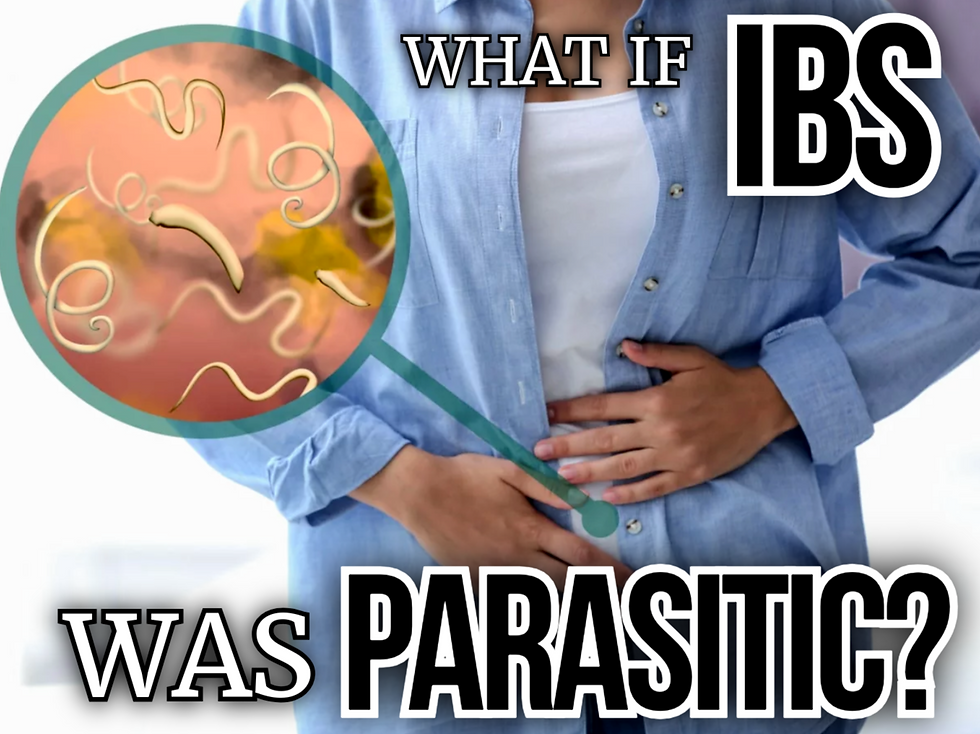
Parasites are not passive—they are highly adaptive organisms designed to survive inside a host for as long as possible.
One of their main survival strategies is anchoring themselves to the lining of the digestive tract.
This allows them to:
Feed directly from the host (including nutrients and blood)
Avoid being eliminated through normal digestion
Remain stable even when the body begins cleansing
Even after they die, their physical structure can remain lodged in the intestinal lining, which means elimination is not always immediate.
🪱 What Happens During Elimination
As the body begins to clear parasites and accumulated waste, you may notice changes in bowel movements.
This can include:
Unusual textures or shapes
Mucus-like substances
Temporary digestive changes
These observations are often part of the body detaching and releasing material that has been embedded for some time.
🪱 The Role of Adhesion: Why Some Are Harder to Remove
Certain forms often discussed in detox communities—sometimes referred to as rope worm stages—are known for their strong adhesive qualities.
🧫 Early Forms
May resemble thick, stringy mucus
Can blend in with biofilm or intestinal buildup
🫧 More Developed Forms
May appear more structured with air pockets or a sponge-like texture
Tend to be more resilient and cohesive
👉 These forms are often described as difficult to eliminate because they are extremely sticky, allowing them to cling tightly to the intestinal environment.
🪱 Why Elimination Takes Time
The body removes things in layers based on what it can safely process.
Factors that influence elimination include:
Digestive motility
Bile production
Mineral status
Biofilm breakdown
Overall detox capacity
This is why a consistent, full-body approach is often more effective than trying to force rapid results.
🪱 Final Thoughts
Parasites are built to survive—but the body is built to heal.
Understanding how they attach, persist, and resist removal helps set realistic expectations and supports a more grounded, effective approach to detoxification.
The goal isn’t force—it’s supporting the body so it can release what no longer belongs, at the pace it was designed to handle.


Comments