
The Mitochondria–Parasite Connection: How Low Cellular Energy Weakens Your Immune Defenses


The Mitochondria–Parasite Connection: How Low Cellular Energy Weakens Your Immune Defenses
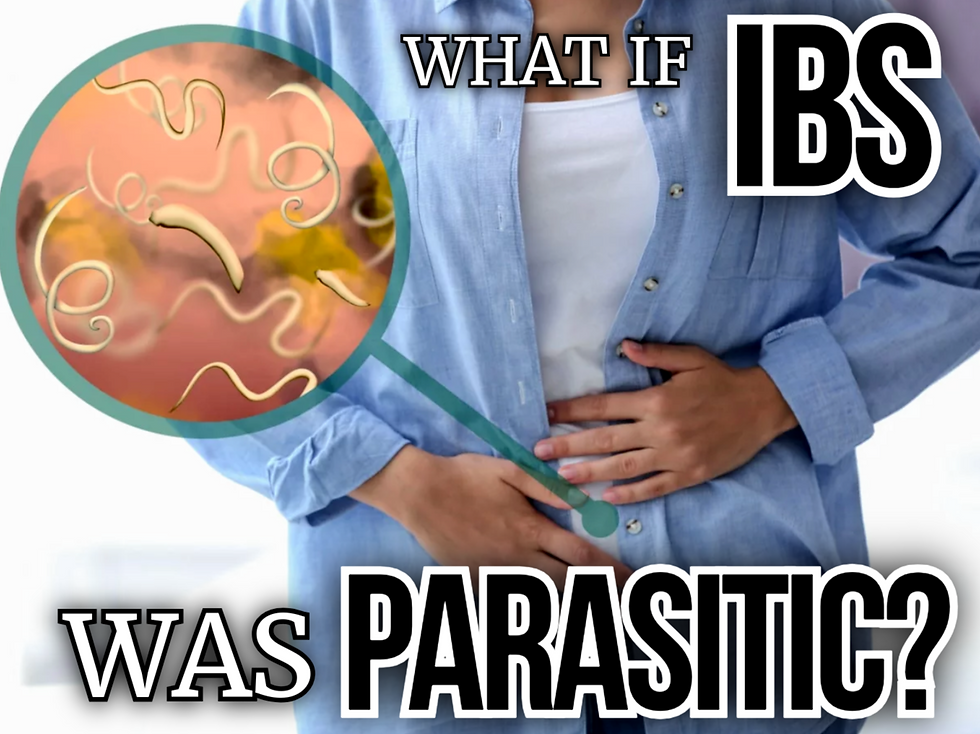
Most people think of parasites as something you simply “catch,” but biologically, parasitic organisms are opportunists. They thrive in environments where the host is already dealing with stressors such as:
Heavy metals
Chronic inflammation
Nutrient deficiencies
Mold and mycotoxin exposure
Low antioxidant capacity
All of these stressors converge on one central system:
👉 the mitochondria — your cells’ energy and signaling hubs
🔬 Mitochondrial Stress and Immune Detection
Mitochondria do far more than generate energy. They also coordinate immune responses through:
ATP-based signaling
ROS (reactive oxygen species) bursts that alert immune cells
Mitochondrial DNA (mtDNA) danger signals
Regulation of cytokines and interferons
When mitochondria are stressed or underperforming:
ATP production drops
Immune cells respond more slowly
Signaling between innate immune cells weakens
This creates a “low vigilance” environment, which research shows allows parasites to persist more easily.
🔬 How Parasites Exploit This
Many parasites produce immunomodulatory proteins that help them survive inside the host. Well-documented in parasitology, these proteins can:
Reduce oxidative bursts from immune cells
Blunt inflammatory signaling
Slow peristalsis and digestive movement
Alter nitric oxide levels
Interfere with antigen presentation
While these actions don’t directly cause mitochondrial dysfunction, if the host already has low mitochondrial resilience due to toxins, mold, or nutrient gaps, parasites gain a significant advantage.
This creates a feedback loop:
Low mitochondrial resilience → Reduced immune detection → Parasites survive longer → Continued low-grade stress on mitochondria
This mechanism is widely recognized in parasitology literature but is rarely discussed in root-cause or detox-focused communities.
🔬 Why This Matters for Detox-Minded People
Many of us may feel like we’re doing everything right:
Eating well
Sleeping enough
Taking targeted supplements
Supporting drainage
…and yet our bodies still feel slowed down or “dragging.”
From a cellular biology perspective, this often comes down to bioenergetics, not just microbial load. Stressed mitochondria mean a stressed immune system, creating an environment where opportunistic organisms can persist despite your best efforts.


Comments