
The Hidden Truth About Food Dyes in Packaged Foods
- Bianka Rainbow

- Apr 28
- 2 min read
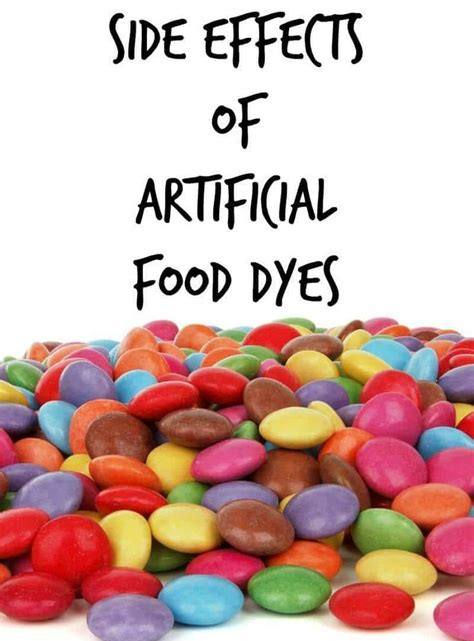
What You’re Really Eating (And Why It Matters)
Take a quick look at the ingredient list on most packaged foods today and you’ll almost always find one thing in common: artificial color additives.
These bright, eye-catching dyes are used to make food look more appealing… but they don’t add any real nutritional value. In fact, they may be doing the opposite.
Many of the foods containing these dyes are already highly processed — stripped of nutrients and filled with synthetic ingredients — and the dyes are simply there to make them more visually attractive.
⚠️ Common Food Dyes to Watch For
🟡 Yellow Dye #6 (Sunset Yellow)
Has been linked in some studies to potential cancer risks
May trigger allergic reactions
Can cause skin irritation, swelling, diarrhea, and hyperactivity in sensitive individuals
🟡 Yellow Dye #5 (Tartrazine)
Associated with allergic reactions in some people
May contribute to hyperactivity, especially in children
Raises concerns due to possible contamination with carcinogenic compounds
🔴 Red Dye #40 (Allura Red)
Has been studied for potential effects on cellular health
May cause hives or swelling around the mouth in sensitive individuals
Often discussed in relation to behavioral effects like hyperactivity
🧠 Why This Matters
When these additives become a regular part of your diet, they contribute to a larger pattern: consuming foods that are heavily processed and lacking in real nourishment.
Over time, this can impact how your body feels, functions, and responds.
It’s not just about one ingredient — it’s about the overall quality of what you’re putting into your body every single day.
✅ The Simplest (and Free) Step You Can Take
Start reading labels.
That’s it.
No expensive protocol, no complicated routine — just awareness.
When you begin paying attention to what’s actually in your food, you naturally start making different choices.
And those small shifts? They add up.
💡 Final Thoughts
You don’t need to overhaul your entire life overnight. But understanding what’s in your food is one of the most powerful first steps you can take toward feeling better.
Because what you eat daily either supports your body… or slowly works against it.


Comments