
Rope Worms: The Controversial Parasite Phenomenon Explained


Rope Worms: A Controversial Parasite Phenomenon
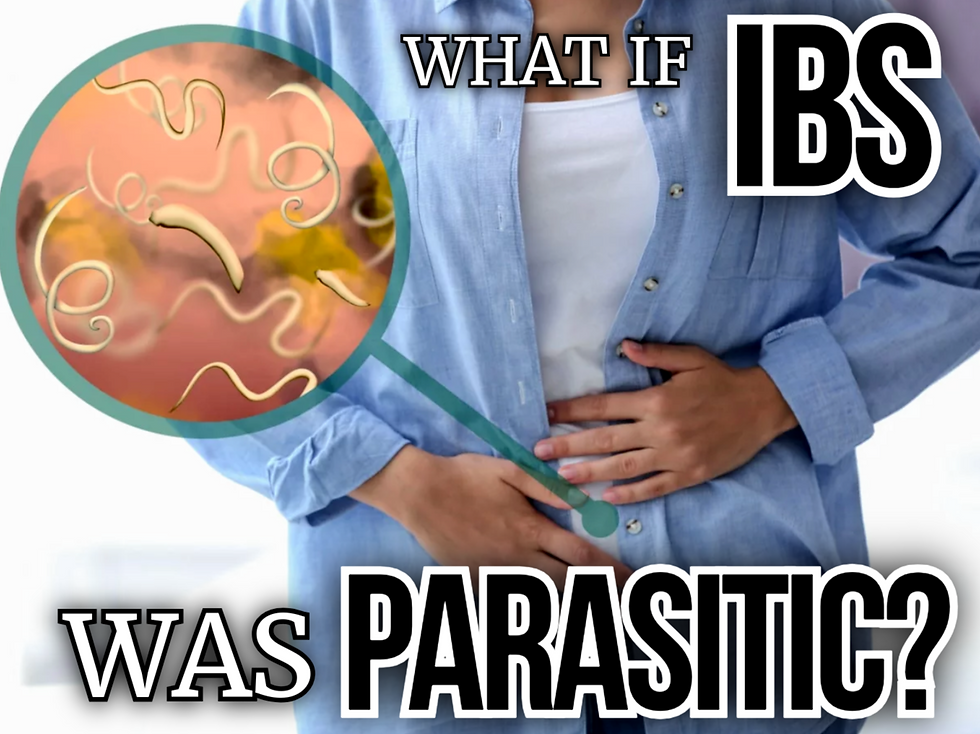
In 2013 at the International Chronic Disease Conference, Dr. Nikolai Gubarev and Professor Alex Volinsky presented research describing what they believed could be a previously unidentified type of intestinal parasite.
The organism was referred to as Rope Worm, with the scientific name Homo Funis Vermis, meaning human rope worm.
According to the researchers, these organisms may be anaerobic intestinal parasites, meaning they can live without oxygen. They were reported to inhabit the human gastrointestinal tract and exhibit unusual characteristics compared to commonly known intestinal parasites.
However, it is important to note that the concept of rope worms remains highly debated, and many researchers believe the structures observed may instead be intestinal mucus, biofilm, or shed intestinal lining rather than a newly identified parasite species.
Physical Characteristics
According to the observations presented by Gubarev and Volinsky, rope worms were described as having an irregular cylindrical shape resembling twisted rope fibers.
Some reports suggest they can grow longer than one meter, making them appear significantly different from most commonly recognized intestinal parasites.
Researchers proposed that these organisms move through the body in an unusual way: by releasing gas bubbles, allowing them to propel themselves through the digestive tract using a type of jet-like motion.
Because of their rope-like appearance and texture, rope worms have sometimes been mistaken for:
Intestinal lining
Mucus buildup
Biofilm
Decomposed parasites
Undigested material in stool
This has contributed to the ongoing debate about their true nature.
Proposed Stages of Development
The original research described five possible developmental stages of rope worms.
Stage One: Slimy Mucus
The earliest stage is described as a thin mucus-like substance with very few gas bubbles.
It was proposed that this stage could exist throughout various parts of the body, although this claim remains unverified.
Stage Two: Sticky Mucus
The second stage is described as a thicker, sticky mucus, sometimes compared to nasal mucus.
In this stage, visible gas bubbles may appear, which were suggested to act like suction cups that allow the organism to attach to surfaces within the digestive tract.
Stage Three: Branched Structure
The third stage reportedly resembles a branched jellyfish-like structure.
This stage is believed to represent further development of the mucus-based structure, though its exact biological function remains unclear.
Stage Four: Soft Rope Form
In the fourth stage, the organism begins to resemble the rope-like structure more clearly.
It is described as shorter but softer and more slippery than the final stage.
Stage Five: Fully Developed Rope Worm
The fifth stage is described as the fully developed rope worm, which may resemble a long twisted rope and can reportedly grow over one meter in length.
According to the theory proposed by the researchers, it may take many years or even decades for the organism to reach this stage of development.
Why Rope Worms Are Still Debated
The rope worm theory remains controversial because limited scientific evidence currently supports their classification as a new parasite species.
Many medical researchers believe that the rope-like structures reported during cleansing protocols may actually be:
Intestinal mucus
Biofilm buildup
Sloughed intestinal lining
Waste material combined with fibers or oils
Because of this uncertainty, more controlled scientific research would be needed to determine whether rope worms represent a new organism or another biological phenomenon.
Understanding the Gut Environment
Regardless of the debate surrounding rope worms, one thing most researchers agree on is that the digestive system contains a complex ecosystem.
The gut environment includes:
Trillions of microorganisms
Digestive mucus layers
Biofilms
Metabolic waste products
Maintaining digestive health and supporting the body’s natural detoxification systems is an important part of overall wellness.
✅ Key takeaway: Rope worms are a controversial phenomenon first presented in 2013. While some researchers proposed they may represent a new type of intestinal parasite, others believe the structures are more likely mucus or biofilm. Further scientific research is needed to determine their true nature.


Comments