
Quercetin: A Plant Flavonoid Linked to Cellular Cleanup and Aging Research
- Bianka Rainbow

- May 7
- 2 min read
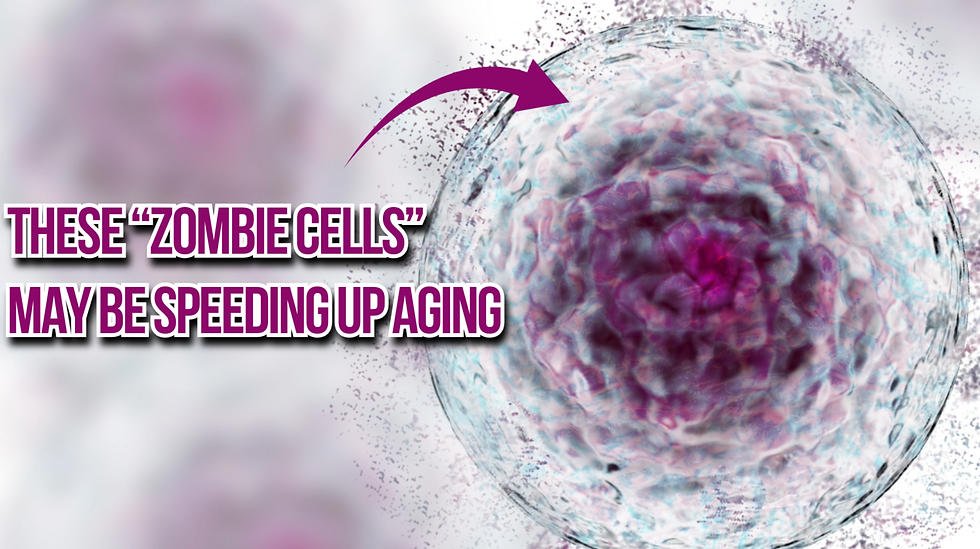
Quercetin: A Plant Compound Linked to Cellular Cleanup and Aging Research
Quercetin is a plant-based flavonoid responsible for the yellow and red pigmentation found in many fruits and vegetables, including onions, apples, and capers.
Beyond its role in plant color, quercetin has become a growing focus in nutritional and aging research due to its potential role in cellular health and inflammatory balance.
🧪 The science of senescent cells
As the body ages, it naturally accumulates senescent cells — often referred to in research as “zombie cells.”
These are cells that:
⚠️ No longer divide or function normally
⚠️ Resist the natural process of cell death
⚠️ Can release inflammatory signaling molecules
Over time, the accumulation of these cells has been associated with:
🔥 Increased inflammatory activity
🧠 Tissue dysfunction
📉 Reduced regenerative capacity
⏳ Age-related biological changes
🌿 Quercetin and senolytic research
Quercetin is studied as a senolytic compound, meaning it is being researched for its potential role in supporting the clearance of senescent cells.
Senolytic research is an emerging field focused on how the body may manage and remove dysfunctional cells that accumulate over time.
Rather than targeting a single pathway, this area of science looks at broader cellular maintenance and cleanup processes.
🧅 Natural food sources
Quercetin is found in many plant foods, but some of the richest dietary sources include:
🍎 Apples
🧅 Onions
🍒 Berries
🍵 Green tea
🌿 Capers (one of the highest natural concentrations)
🧬 Why this matters in cellular health research
In studies related to aging and chronic imbalance, one key theme continues to appear:
👉 Cellular function depends not only on damage control 👉 But also on the body’s ability to clear dysfunctional cells
This is why senescence and cellular cleanup pathways are an important area of ongoing scientific investigation.
Disclaimer: This content is for educational purposes only and is not intended to diagnose, treat, cure, or prevent any disease. Always consult a qualified healthcare professional for medical advice.


Comments