
Parasites, Bile Flow & Why Detox Fails

Updated: Feb 12

Parasites, Bile Flow & Why Detox “Doesn’t Work” for Some People
One of the most overlooked root issues in chronic detox failure isn’t what people are taking — it’s bile physiology.
Bile isn’t just for fat digestion. It is one of the body’s primary detox transport systems. Hormones, endotoxins, mycotoxins, heavy metals, and microbial byproducts are packaged by the liver into bile and eliminated through the gut. If bile flow is impaired, toxins don’t leave — they re-circulate.
Here’s where parasites come in.
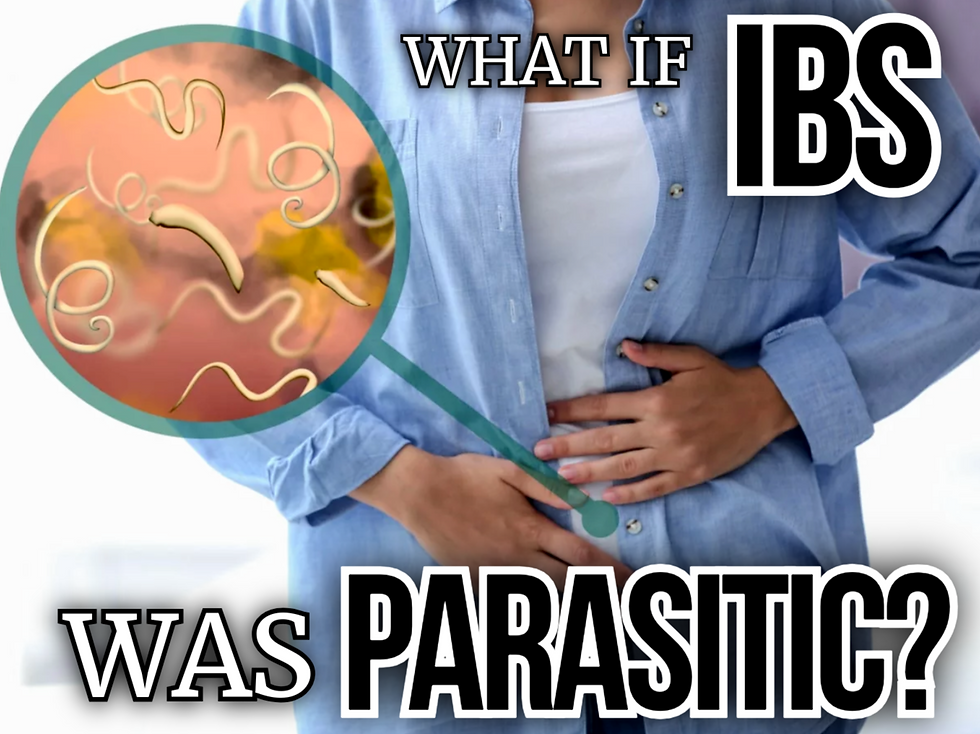
Many parasites (especially intestinal and hepatobiliary species) interfere directly with bile production and bile flow. This can happen through:
• Mechanical obstruction or irritation of bile ducts
• Chronic low-grade inflammation of the liver and gallbladder
• Altered bile acid composition
• Disruption of enterohepatic circulation (the recycling loop between liver and gut)
When this happens, the body may still mobilize toxins, but it cannot excrete them efficiently. This creates the classic pattern many people experience:
• Detox reactions that don’t resolve
• Fatigue, nausea, headaches, histamine symptoms
• Poor tolerance to binders or antimicrobials
• Worsening symptoms despite “doing all the right things”
From a physiological standpoint, this isn’t mysterious — it’s predictable.
Research shows parasite infections can induce cholestasis (reduced bile flow), alter bile acid signaling, and impair absorption of fat-soluble nutrients (A, D, E, K). All of this directly impacts detox capacity, immune regulation, and hormonal balance.
This is why supporting bile flow and liver signaling matters just as much as targeting parasites themselves. Killing without drainage creates bottlenecks. Drainage without addressing parasites leads to relapse.
Root-cause healing isn’t about following steps or timelines — it’s about systems working together.
When bile moves, detox moves. When bile stagnates, everything backs up.
This is foundational physiology — once you understand it, many “mystery reactions” finally make sense.


Comments