
🧬 Parasite Manipulation Chemistry: How They Hijack Your Mood, Cravings, and Sleep


🌿 Beyond Digestive Symptoms
When most people think of parasites, they imagine bloating, fatigue, or digestive upset. But these organisms are far more strategic than we give them credit for.
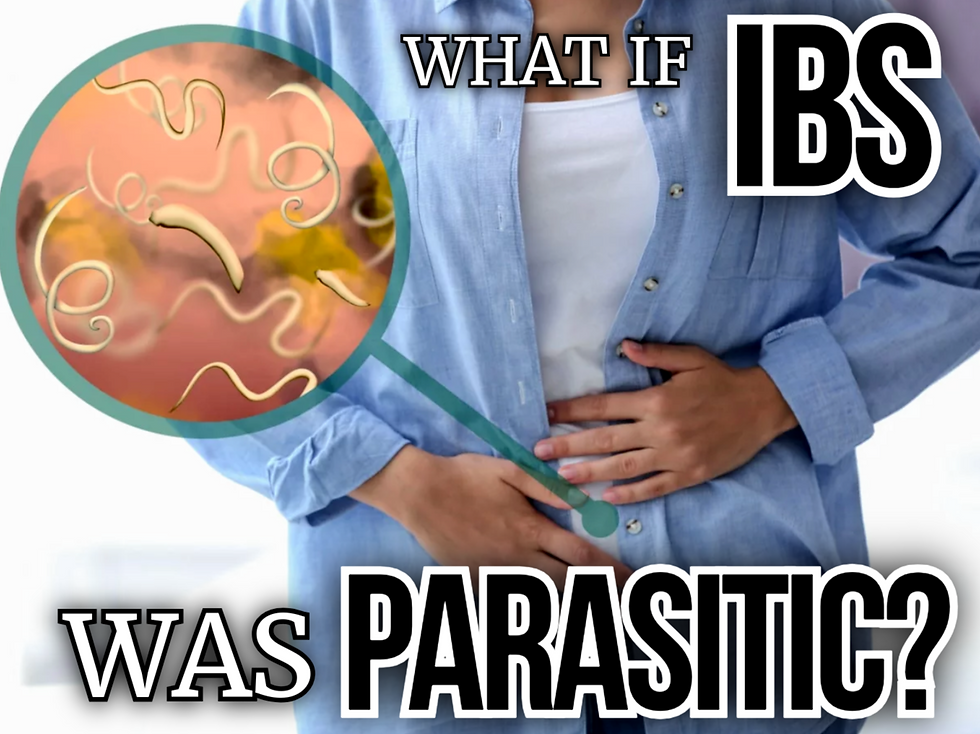
Parasites don’t just steal nutrients — they manipulate your neurochemistry to influence your mood, appetite, and sleep cycles. Their goal? Survival. By subtly altering your brain chemistry, they ensure a consistent food supply and a calm immune response.
🧠 The Neurochemical Hijack
Certain parasites are capable of producing or influencing neurotransmitters that control emotion, motivation, and rest.
🔹 Dopamine: Species like Toxoplasma gondii can produce enzymes that affect dopamine synthesis. This can drive reward-seeking behaviors, including sugar cravings, late-night snacking, or impulsive actions that maintain their nutrient supply.
🔹 Serotonin: Intestinal parasites can trigger excessive serotonin release in the gut. While serotonin is often called the “happiness chemical,” an imbalance can cause digestive spasms, irritability, or anxious energy, masking underlying fatigue.
🔹 GABA: Some helminths interact with GABA receptors, temporarily suppressing the immune response. While this helps them survive, it may contribute to brain fog, low motivation, and flat mood in the host.
🍭 Cravings Aren’t Always You
Sugar and carb cravings during detox aren’t just about willpower. Many parasites rely on glucose and can signal hunger to the brain via the vagus nerve, effectively manipulating you to feed them.
These cravings often spike during full moon cycles, when parasites are most active — a fascinating example of how they exploit your biology.
🌙 Sleep Disruption
Restless nights, vivid dreams, or waking between 1–3 a.m. are common during detox.
Parasites release waste metabolites or die-off compounds that can stimulate the nervous system, increase inflammation, and disrupt melatonin production. The liver’s peak nighttime activity amplifies these effects, leading to night sweats or racing heartbeats.
⚡ Key Takeaways
Parasites manipulating human chemistry is documented adaptive biology, not speculation. They survive by hiding, suppressing the immune system, and subtly altering neurotransmitter balance.
This is why a true detox isn’t just about “killing parasites.” It’s about restoring biochemical sovereignty — reclaiming your body’s communication systems, clearing toxins, and allowing your natural rhythm to return.
When your internal chemistry resets, cravings lessen, moods stabilize, and your true baseline — your authentic you — emerges. 🌿


Comments