
Is Stainless Steel Cookware Really Safe? What You Should Know About Nickel Exposure
- Bianka Rainbow

- May 5
- 2 min read
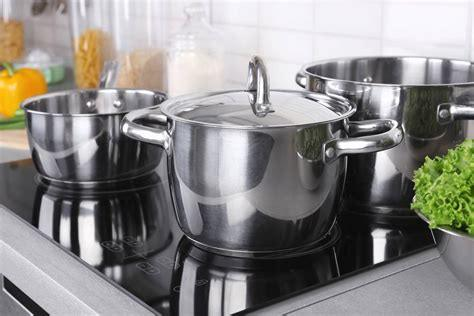
Stainless Steel: Sleek, Popular… But What’s Inside?
Stainless steel cookware is everywhere—and for good reason. It’s durable, shiny, and often marketed as a “safe” option.
But what many people don’t realize is that stainless steel is not a single metal—it’s a blend.
Most stainless steel contains:
Iron
Chromium
Nickel
The nickel content is what helps make it more resistant to rust and corrosion—the higher the nickel, the more “stainless” it tends to be.
Why Nickel Matters
Nickel is a naturally occurring metal, but in higher amounts, it may not be well tolerated by everyone.
Some individuals are more sensitive to nickel exposure, which can contribute to unwanted reactions or sensitivities over time.
Interestingly, higher-quality stainless steel often contains more nickel, which improves durability—but may also increase the potential for exposure under certain conditions.
Does Stainless Steel Leach Metals?
Under typical use, small amounts of metals can transfer from cookware into food.
Research and testing have shown that stainless steel cookware can release:
Nickel
Chromium
Iron
This is more likely to occur:
During longer cooking times
When cooking acidic foods (like tomatoes, citrus, or vinegar-based dishes)
When cookware is new or has surface wear
The amount can vary depending on the composition of the cookware and how it’s used.
Ways to Be More Mindful in the Kitchen
If you’re looking to reduce potential exposure, here are some simple considerations:
Rotate cookware types instead of relying on just one
Avoid long cooking times with highly acidic foods in stainless steel
Replace heavily scratched or worn pans
Explore alternative materials when appropriate
The Bigger Picture
Just like with other areas of health, it’s not about fear—it’s about awareness and balance.
Your total exposure comes from many sources, and small shifts in daily habits can add up over time.


Comments