
Could Mold Toxicity Be Affecting Your Mental and Physical Health?

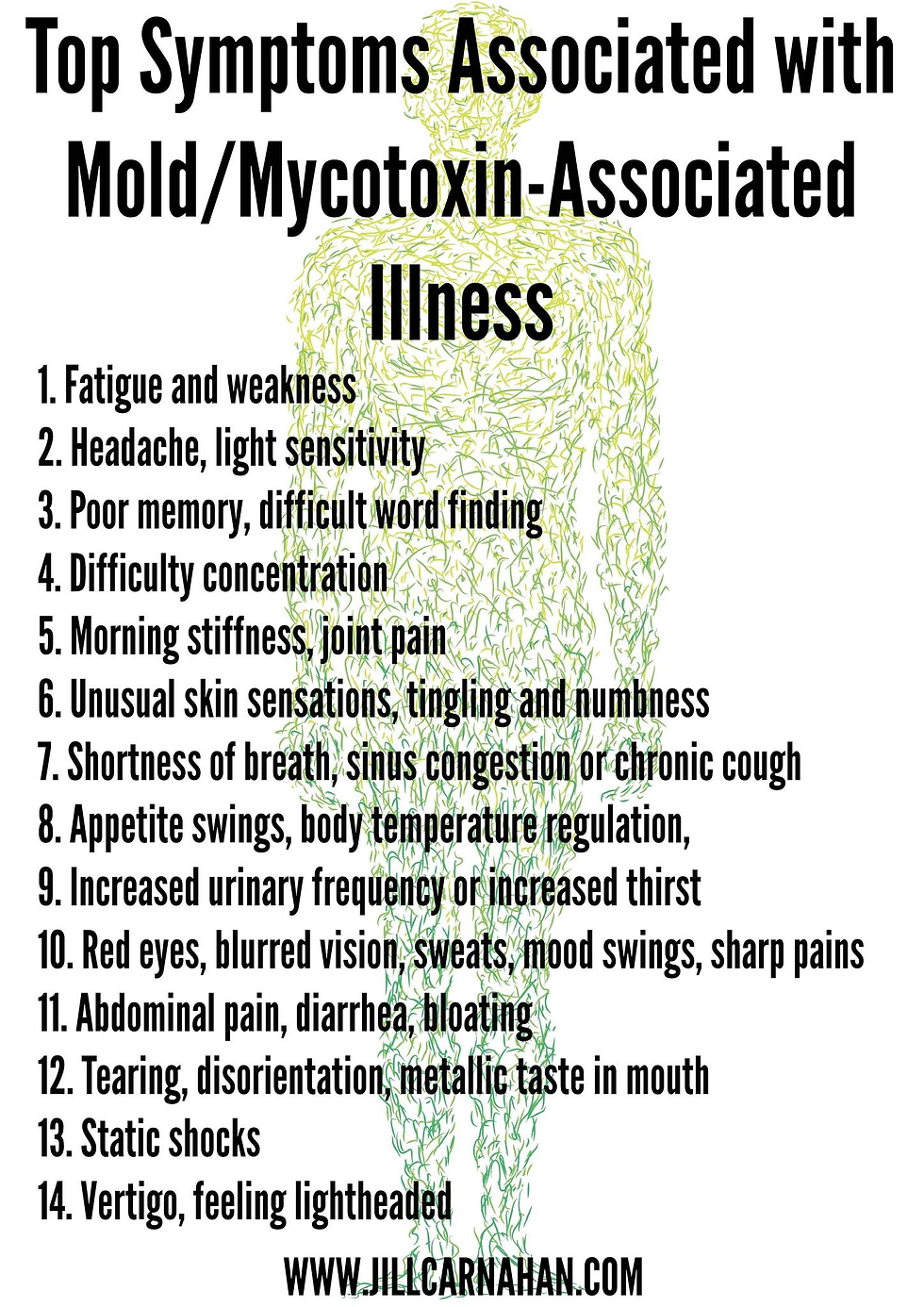
The Hidden Ways Mold Toxicity Impacts the Body
Many people struggling with mold toxicity go years without answers because the symptoms are often mistaken for unrelated health conditions. Fatigue, anxiety, brain fog, mood swings, inflammation, and neurological issues can slowly become part of daily life, causing people to believe feeling unwell is “normal.”
But mold exposure can affect far more than just the respiratory system.
Certain molds release toxic compounds called mycotoxins, which can impact the nervous system, gut health, immune function, hormones, and even mental health. If you’ve been dealing with unexplained symptoms that don’t improve with conventional approaches, mold toxicity may be a missing piece of the puzzle.
1. Mold Toxicity and Depression
A healthy brain carefully regulates neurotransmitters responsible for mood and emotional balance. However, exposure to mold toxins may interfere with this process in several ways.
Mold toxicity can damage the gut lining, contributing to increased intestinal permeability (often called “leaky gut”). Since much of the body’s serotonin production depends on gut health, this disruption may affect mood regulation and emotional stability.
Some research and clinical observations also suggest that mold toxins may impact the brain and endocrine system, potentially affecting dopamine and serotonin pathways. This may contribute to symptoms such as:
Low motivation
Emotional numbness
Persistent sadness
Loss of enjoyment in activities
Fatigue and apathy
Many people report feeling unlike themselves after prolonged mold exposure.
2. Anxiety, Panic, and Paranoia
One of the most commonly reported symptoms of mold toxicity is anxiety that seems to appear “out of nowhere.”
Certain mycotoxins may overstimulate the nervous system, creating a state of chronic hyperactivation. This can lead to symptoms such as:
Racing thoughts
Panic attacks
Feeling constantly “on edge”
Sensory overload
Sleep disturbances
Paranoia or heightened fear responses
People often describe feeling internally “electrified” or unable to calm their nervous system.
Unfortunately, many individuals are prescribed medications to suppress symptoms without investigating environmental causes like mold exposure.
3. Irritability, Mood Swings, and Rage
Mold-related neuroinflammation can create emotional instability that feels difficult to control.
Individuals dealing with mold toxicity may experience:
Sudden anger or irritability
Emotional overwhelm
Increased sensitivity to stress
Reactive behavior
Feeling mentally overstimulated
This may stem from inflammation, oxidative stress, and excitotoxicity affecting the brain and nervous system.
For many people, the emotional effects of mold toxicity can strain relationships and create feelings of isolation or misunderstanding.
4. Neurological Symptoms and Parkinsonian Effects
Some researchers and clinicians have explored potential links between severe mold exposure and neurological dysfunction.
In certain cases, prolonged exposure to toxic mold has been associated with symptoms such as:
Tremors
Muscle rigidity
Weakness
Coordination issues
Difficulty walking
Nervous system inflammation
While mold toxicity is not considered a direct cause of Parkinson’s disease, environmental toxins are increasingly being studied for their role in neurodegenerative conditions.
5. Brain Fog and Short-Term Memory Loss
Do you walk into a room and instantly forget why you went there?
Brain fog is one of the hallmark symptoms of mold toxicity.
Mycotoxins may contribute to oxidative stress and inflammation that affect brain function, particularly areas involved in focus, memory, and processing speed.
Common symptoms include:
Forgetfulness
Difficulty concentrating
Mental fatigue
Poor word recall
Feeling mentally “slow”
Trouble learning new information
Many individuals notice a dramatic improvement in cognitive function once mold exposure is addressed and detoxification support begins.
6. Bipolar and Schizophrenic-Like Tendencies
In severe cases, mold toxicity may contribute to profound neurological and psychiatric symptoms.
Elevated inflammatory responses and neurotransmitter imbalances may trigger symptoms resembling:
Bipolar mood swings
Extreme emotional highs and lows
Dissociation
Hallucination-like experiences
Severe anxiety or paranoia
Sadly, environmental toxicity is often overlooked in psychiatric evaluations, which can leave individuals misdiagnosed and without answers.
This does not mean mold “causes” psychiatric disorders directly, but it highlights the importance of considering environmental factors when symptoms appear suddenly or worsen after water damage exposure.
Could Mold Be the Missing Piece?
If you’ve been struggling with chronic symptoms that conventional approaches haven’t resolved, it may be worth exploring whether mold exposure is contributing to your health challenges.
Possible signs of mold exposure include:
Worsening symptoms inside certain buildings
Musty smells in the home
Water damage history
Chronic fatigue and brain fog
Chemical sensitivity
Persistent inflammation
Unexplained neurological symptoms
Addressing mold toxicity often involves reducing exposure, supporting detoxification pathways, improving gut health, and replenishing key nutrients.
Final Thoughts
Mold toxicity can affect the body in complex and far-reaching ways, especially when exposure goes unnoticed for long periods of time.
The encouraging news is that the body has an incredible ability to heal when the root cause is identified and supported properly.
There is always hope ❤️


Comments