
Balsam Fir (Abies balsamea): Forest Medicine for Lungs, Inflammation & Nervous System Support

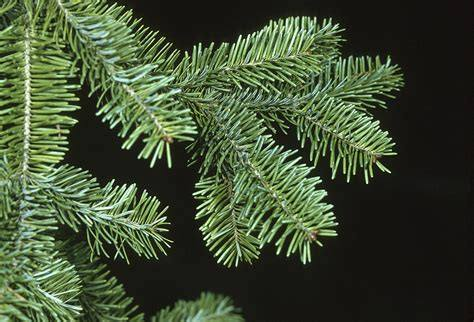
Balsam Fir: More Than a Christmas Tree
Balsam Fir (Abies balsamea) is often associated with winter forests and holiday scent, but traditionally, it has been used in North American herbal practices for respiratory, muscular, and immune support.
Its needles and resin contain volatile oils rich in compounds like α-pinene, β-pinene, limonene, and bornyl acetate — bioactive constituents that give the tree both its aroma and therapeutic potential.
Let’s look at what research and traditional use suggest.
🌿 1. Respiratory Support
Balsam Fir has mild expectorant properties, meaning it may help loosen mucus and support clearer breathing.
Volatile terpenes like α-pinene have been studied for their ability to:
Support bronchodilation
Reduce airway inflammation
Exhibit antimicrobial activity against certain respiratory pathogens
This is why fir-based preparations are often used in:
Steam inhalations
Chest balms
Herbal teas during cold season
🌿 2. Anti-Inflammatory Potential
Essential oil components in Balsam Fir demonstrate anti-inflammatory effects in laboratory studies.
Traditionally, fir resin salves were applied topically for:
Sore muscles
Joint stiffness
Minor skin irritations
Terpenes can influence inflammatory pathways and may help reduce localized swelling when used appropriately.
🌿 3. Antimicrobial Activity
Research shows that fir essential oils possess antibacterial and antifungal properties against certain strains.
While this does not replace medical treatment, it explains why:
Fir resins were historically used in wound salves
Fir preparations were included in cleansing formulations
Nature’s defense chemistry is often built into aromatic trees.
🌿 4. Nervous System & Mood Support
The scent of conifers like Balsam Fir can influence the nervous system.
Studies on forest bathing (shinrin-yoku) suggest that inhaling phytoncides (aromatic compounds released by trees) may:
Lower cortisol
Reduce sympathetic nervous system activation
Support parasympathetic (rest-and-digest) tone
The calming effect isn’t mystical — it’s biochemical.
🍵 Simple Balsam Fir Needle Tea
If you live in a region where Balsam Fir grows and can identify it correctly, needle tea is one traditional preparation.
How to Prepare:
Harvest fresh needles from a healthy, correctly identified tree (avoid treated or roadside trees).
Rinse thoroughly.
Chop lightly to release oils.
Add a small handful to a mug.
Pour hot (not boiling) water over the needles.
Cover and steep 5–10 minutes.
Strain and drink.
The flavor is bright, citrusy, and slightly resinous.
⚠️ Important Notes
Correct plant identification is essential.
Avoid use during pregnancy unless guided by a qualified practitioner.
Do not consume essential oil internally unless under professional supervision.
Those with kidney conditions should consult a healthcare provider before using conifer preparations regularly.
Final Thoughts
Balsam Fir reminds us that forests are more than scenery — they are biochemical ecosystems interacting with our nervous system, lungs, and immune function.
Used respectfully and knowledgeably, this evergreen is one of North America’s quiet herbal allies.


Comments