
The Science of Breastfeeding: How Human Milk Shapes Immunity, Gut Health, and Development

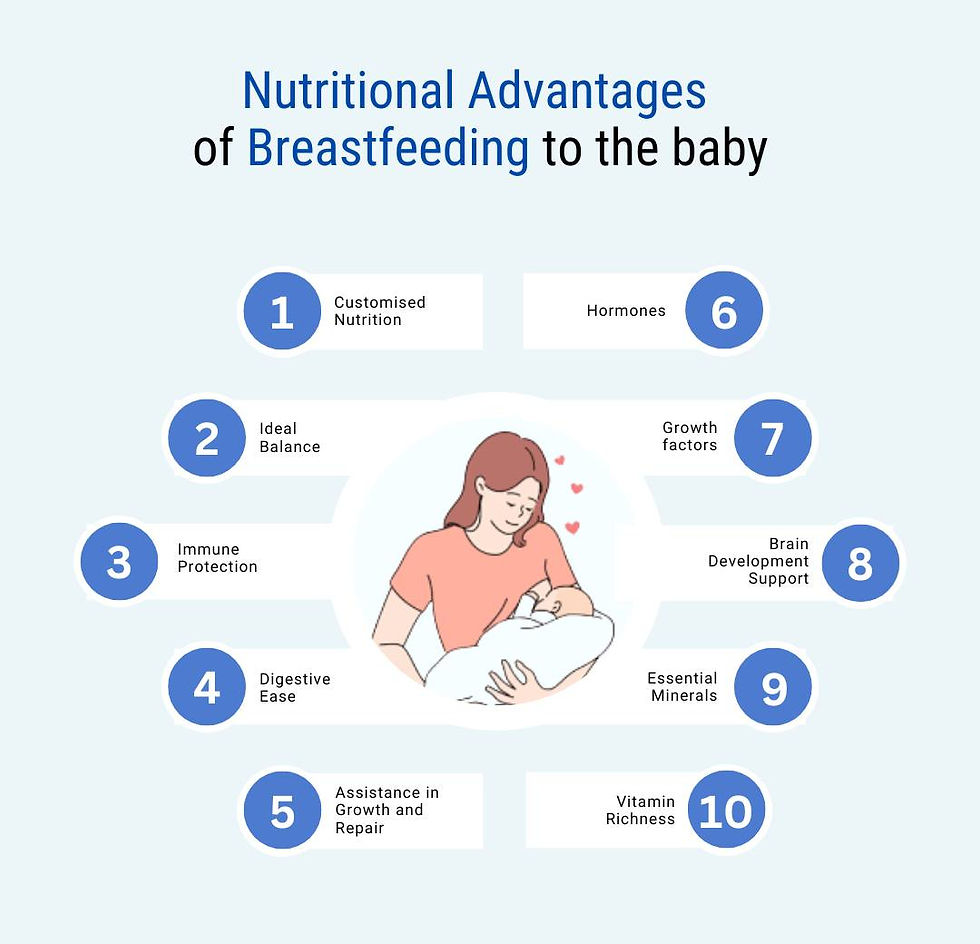
Breastfeeding: More Than Nutrition
Breastfeeding isn’t just a source of calories — it’s a biologically active system designed to shape immunity, gut health, neurological development, and long-term resilience.
Human milk functions as a living communication network, delivering immune signals, genetic regulators, and microbiome-shaping compounds during a critical window of development.
Let’s explore what science now confirms is happening beneath the surface.
Key Bioactive Components in Breast Milk
Cytokines & Growth Factors
Breast milk contains cytokines and growth factors that regulate immune signaling, tissue repair, and cellular development. These compounds help train the infant immune system to respond appropriately rather than overreact.
Exosomes & microRNAs (miRNAs)
Exosomes in breast milk act as microscopic delivery vehicles for miRNAs — molecules that influence gene expression. These miRNAs play a role in:
• Brain and nervous system development • Immune system programming • Metabolic regulation
This is epigenetic communication in real time.
Human Milk Oligosaccharides (HMOs)
HMOs are complex carbohydrates unique to human milk. They are not digested by the infant but instead feed beneficial gut bacteria, supporting:
• A diverse and resilient microbiome • Protection against pathogens • Proper immune maturation
Antibodies & Passive Immunity
Breast milk provides antibodies (especially IgA) that protect infants while their own immune systems mature, reducing the risk of infections during early life.
Breastfeeding and Gut Barrier Development
Breast milk supports:
• Intestinal epithelial integrity • Tight junction development • Mucosal immune maturation
This helps reduce permeability (“leaky gut”) and lowers long-term risk of allergic and autoimmune conditions.
An Important Consideration: Maternal Toxic Load
While breast milk is biologically optimal, it also reflects maternal exposures.
Environmental toxins such as heavy metals, pesticides, and industrial chemicals can bioaccumulate in fat tissue and may be transferred through breast milk.
This is not a reason to avoid breastfeeding — but it is a reason to support maternal detox pathways gently and intelligently.
Supporting Mothers, Protecting Infants
Reducing toxin transfer can involve:
• Minimizing environmental exposure s• Supporting liver and cellular detox pathways • Prioritizing nutrient-dense, clean foods • Avoiding aggressive detox during active breastfeeding
The goal is support, not stress — for both mother and baby.
Final Thoughts
Breastfeeding is one of the most sophisticated biological systems in human development. Understanding both its benefits and influencing factors allows parents to make informed, empowered decisions.
Education is the first layer of protection.
⚠️ Disclaimer: This content is for educational purposes only and does not replace medical advice. Always consult a qualified healthcare provider.


Comments