
Oral Health & Toxic Load: How Your Mouth May Impact Your Brain, Heart & Whole Body
- Bianka Rainbow

- Apr 16
- 2 min read
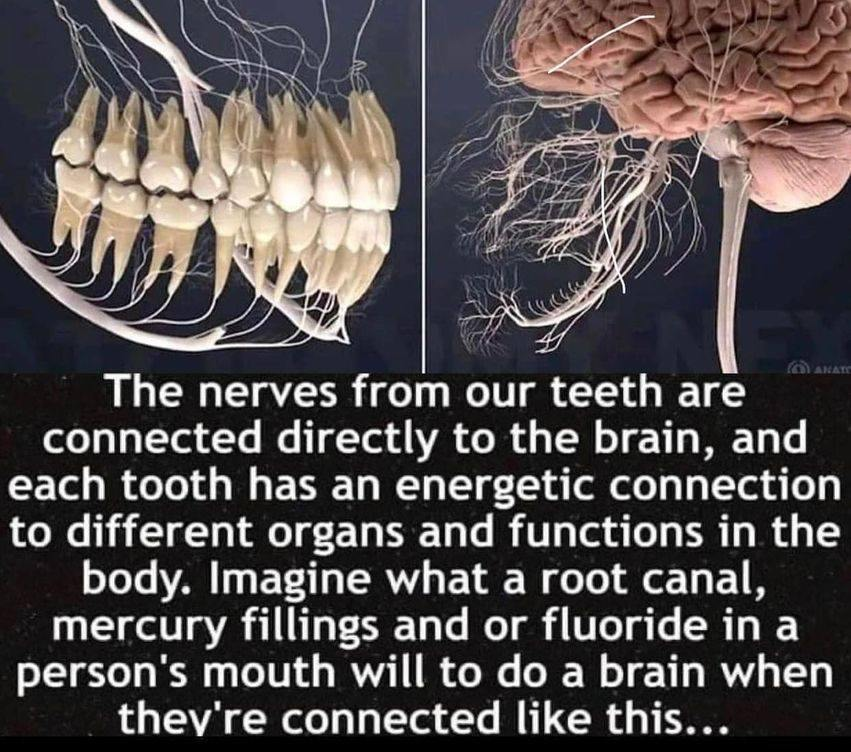
🦷 The Mouth-Body Connection: More Than Just Teeth
Your mouth is not isolated from the rest of your body—it’s deeply connected to it.
The nerves in your teeth communicate directly with your brain, and emerging research continues to show that oral health plays a significant role in systemic health, including the brain, heart, and immune system.
This means what happens in your mouth doesn’t stay in your mouth.
🔬 What Science Says About Oral Health & Disease
Research has linked poor oral health to a variety of chronic conditions, including:
Stroke
Cognitive decline
Cardiovascular inflammation
Autoimmune-related issues
For example, gum disease (periodontitis), which is chronic inflammation of the gums, has been associated with an increased risk of both stroke and endocarditis (inflammation of the heart lining).
Chronic inflammation is a major driver behind many modern health conditions—and the mouth can be a key source.
⚠️ Mercury Exposure & Its Potential Impact
Mercury has historically been used in dental fillings (amalgams), and while regulations have evolved, exposure is still a concern for some individuals.
Mercury is known to be neurotoxic at certain levels and has been studied for its potential role in:
Mood imbalances
Anxiety
Cognitive decline
Attention-related challenges
Neurological conditions
There is also research exploring how mercury may interfere with thyroid function, as it can disrupt normal biochemical processes involved in hormone regulation.
🧠 Fluoride & the Pineal Gland: What’s Known
Fluoride is commonly used in dental products and water fluoridation programs to help prevent tooth decay.
Some studies have explored its accumulation in calcified tissues, including the pineal gland. The pineal gland plays a role in regulating circadian rhythms (sleep-wake cycles) and hormone signaling.
🔄 Generational Toxic Load & Long-Term Health
There is growing interest in how environmental exposures—including heavy metals and toxins—may influence health across generations.
While more research is needed, this highlights the importance of reducing unnecessary toxic burden where possible and supporting the body’s natural detoxification systems.
🌿 Supporting a Healthier Oral & Systemic Environment
If you’re looking to reduce your overall toxic load and support whole-body health, here are some commonly explored strategies:
Prioritize good oral hygiene and regular dental care
Address gum inflammation early
Explore dental options with qualified professionals if concerned about materials
Focus on reducing chronic inflammation through lifestyle and nutrition
✨ Final Thoughts
Your oral health is a powerful and often overlooked piece of the bigger health picture.
While not every claim around dental materials or toxins is fully settled in science, what is clear is that inflammation, toxicity, and nutrient imbalances all play a role in long-term wellness.
Taking a proactive, informed approach to your oral health may have benefits that extend far beyond your smile.


Comments