
Neurotransmission Explained: How the Brain Communicates and Why Toxins Matter

Updated: Feb 12
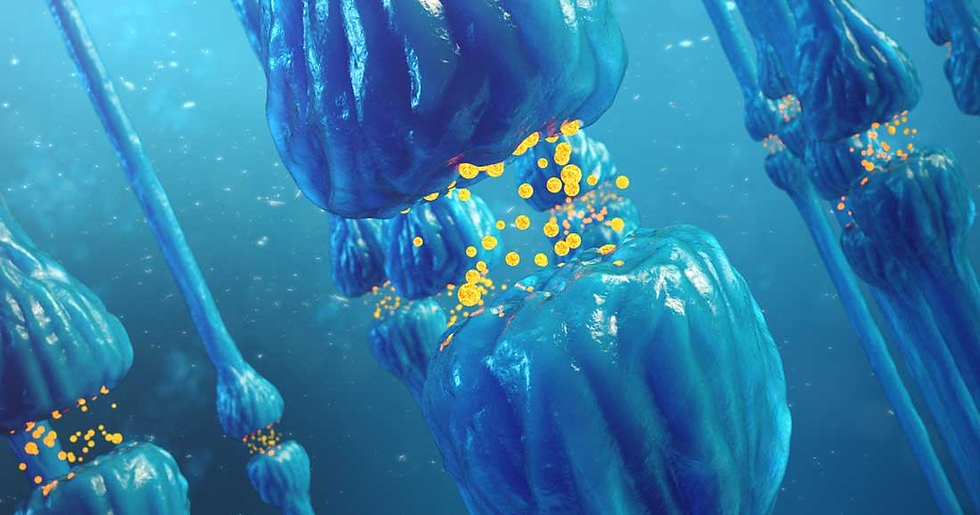
Neurotransmission is the fundamental process that allows your brain and nervous system to communicate. Every thought, emotion, movement, and bodily function depends on this intricate signaling system working properly.
Let’s break it down.
What Is Neurotransmission?
Neurotransmission is the process by which neurons (nerve cells) communicate with one another using chemical messengers called neurotransmitters.
Here’s how it works:
Neurotransmitters: These are chemical messengers (such as serotonin, dopamine, GABA, and acetylcholine) that carry signals between neurons.
Synapse: This is the small gap between two neurons where neurotransmitters are released.
Receptors: Specialized proteins on the receiving neuron bind neurotransmitters and convert the chemical message into an electrical signal.
This rapid and precise communication system is what allows the nervous system to regulate mood, cognition, digestion, movement, immune signaling, and more.
The Gut–Brain Connection
Neurotransmission is not limited to the brain alone.
The gut plays a central role in neurotransmitter production and regulation:
Approximately 90% of serotonin is produced in the gut
The gut microbiome influences production of GABA, dopamine precursors, and other neuroactive compounds
Signals travel constantly between the gut and brain via the vagus nerve and immune pathways
This is why gut health has such a strong impact on mood, stress resilience, focus, and emotional regulation.
How Toxicity Can Disrupt Neurotransmission
Neurotransmission depends on intact cell membranes, proper receptor function, and balanced signaling pathways. Toxic exposures can interfere at multiple levels.
Mold exposure: Certain molds produce mycotoxins that can disrupt neurotransmitter synthesis, receptor binding, and nerve signaling. This may contribute to symptoms such as anxiety, brain fog, irritability, and cognitive dysfunction.
Parasites: Some parasites release neuroactive substances or metabolic byproducts that interfere with neurotransmission pathways. These disruptions can affect mood, behavior, sleep patterns, and nervous system regulation.
Over time, chronic toxic load can impair communication between neurons, leading to dysregulated nervous system signaling.
Why This Matters
Understanding neurotransmission helps explain why issues like mood imbalance, cognitive decline, anxiety, or fatigue are not always “just psychological.” They can reflect biochemical communication breakdowns driven by inflammation, toxicity, gut imbalance, or environmental exposures.
Supporting neurotransmission means supporting the entire system: brain, gut, immune signaling, and cellular health.
⚠️ Disclaimer: This content is for educational purposes only and does not diagnose, treat, cure, or prevent disease.


Comments